


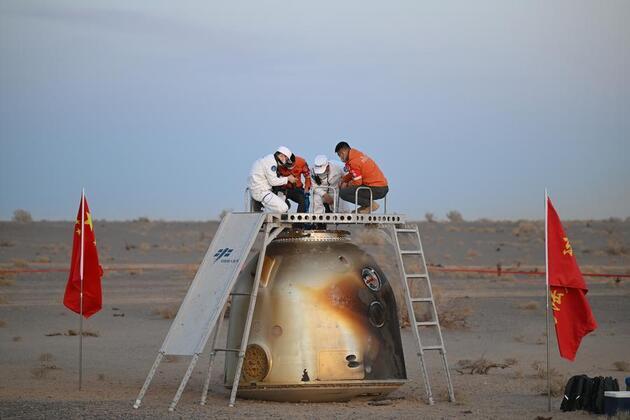
Mouse embryo experiment on China's space station sheds light on life development in space
Xinhua
04 Jun 2026, 13:16 GMT+10
 Share
Share
 Tweet
Tweet
 Share
Share
 Flip
Flip
 Email
Email
Subscribe and Follow
Get a daily dose of Shanghai Sun news through our daily email, its complimentary and keeps you fully up to date with world and business news as well.


News RELEASES
Publish news of your business, community or sports group, personnel appointments, major event and more by submitting a news release to Shanghai Sun.
More InformationWomen, the worst casualties in Sudan’s ongoing war, UN says

KHARTOUM, Sudan: The United Nations says sexual violence has become one of the main features of the war in Sudan, which is now in its...
El Niño could raise temperatures to extreme highs, UN predicts
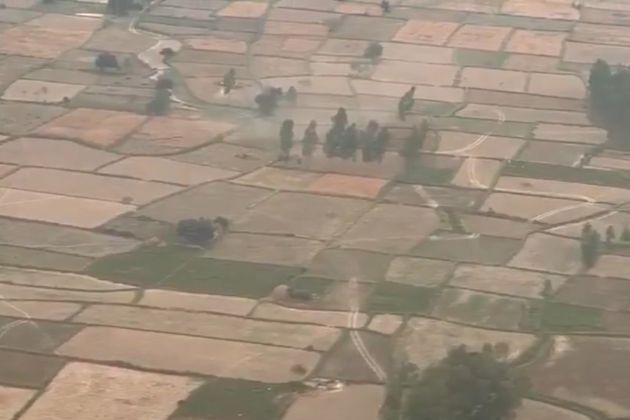
GENEVA, Switzerland: The United Nations weather agency said on June 2 that a moderate or possibly strong El Niño could develop, which...
Moderna among groups funded to fight Ebola outbreak

GENEVA, Switzerland: Global health organization CEPI has committed roughly $60 million to accelerate the development of vaccines against...
Hungary's PM warns of legal action if president does not resign

BUDAPEST, Hungary: Hungarian Prime Minister Peter Magyar said on June 1, after meeting President Tamas Sulyok, that if the president...
Netanyahu criticized after Trump halts Israeli strikes on Beirut

TEL AVIV, Israel: Benjamin Netanyahu is facing criticism at home after U.S. President Donald Trump said Israel would stop plans to...
After Israel's Lebanon incursion, Iran stops indirect talks with US

DUBAI, U.A.E.: Iran has stopped indirect talks with the United States after Israel ordered its troops to move deeper into Lebanon to...
Beijing broadens digital yuan use in payments and trade

BEIJING, China: China is stepping up efforts to expand the use of its digital yuan both domestically and internationally, according...
Temu hit with massive EU fine over hazardous goods

LONDON, UK: Chinese online retailer Temu has been fined 200 million euros (US$232 million) by the European Union after regulators found...
Indian markets extend losses amid FII selling, elevated crude oil prices; Sensex falls 443 points
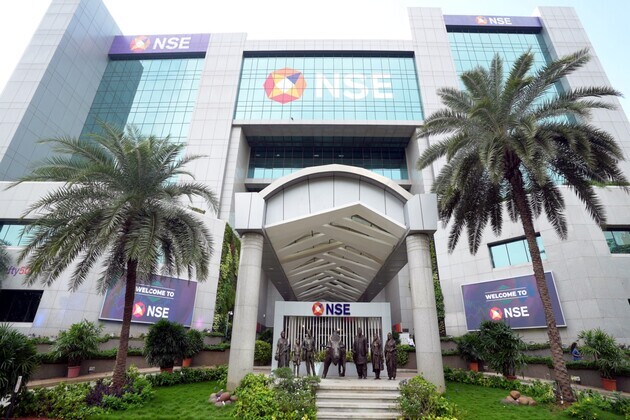
New Delhi [India], June 4 (ANI): Indian equity markets extended their losing streak on Thursday as persistent foreign fund outflows,...
Sensex falls over 300 pts, Nifty slips amid fresh tariff concerns and geopolitical tensions
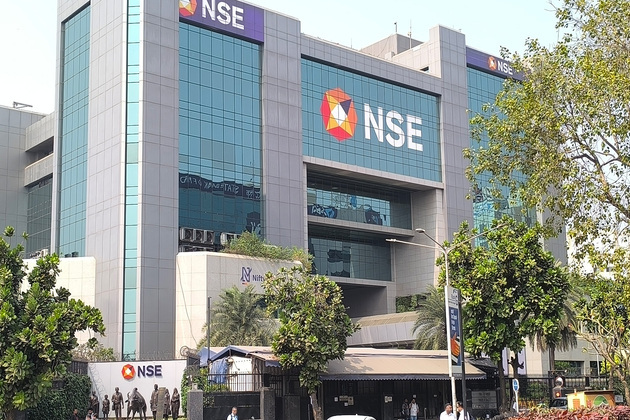
Mumbai (Maharashtra) [India], June 3 (ANI): Indian equity markets ended lower on Wednesday as investor sentiment remained under pressure...
Japanese banks pivot to Southeast Asia, India as China business struggles: Report
Tokyo [Japan], June 3, (ANI): Japanese banks are scaling down their operation in China, according to a report by Nikkei Asia. The move...
Indian markets open lower amid FII outflows, geopolitical uncertainty; IT stocks drag
New Delhi [India], June 3 (ANI): Indian equity benchmark indices opened lower on Wednesday, extending losses from the previous session...
